
Defining Quality Control in Modern Vape Production
Quality control in the 2026 vaping market has evolved from simple visual checks to a data-driven ecosystem. A disposable vape factory must now integrate real-time sensor data with physical stress tests to meet the demands of a global audience.
In 2026, zero-defect manufacturing is achieved through the Precision-Pulse Validation Method. This framework utilizes high-speed sensors to detect microscopic irregularities in airflow and resistance before a device ever leaves the assembly line, ensuring a failure rate of less than 1 in 1,000 units.
"Disposable Vape Quality Control is the systematic application of engineering standards—from raw material purity to final vacuum stress testing—designed to eliminate leaks, battery failures, and flavor degradation."
The 24-Step Zero-Defect Protocol: Our Proprietary QC Framework
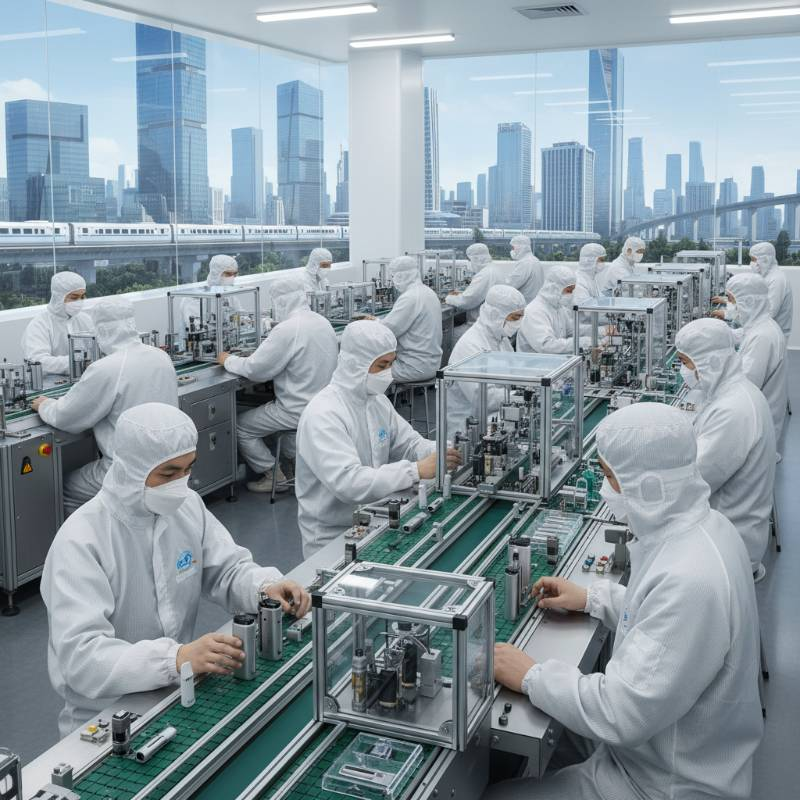
At vapefactorypro.com, we employ a 24-step QC protocol that treats every component as a critical failure point. This isn't just about the final product; it's about the lifecycle of the device.
Our zero-defect vape manufacturing begins with chemical analysis of e-liquid batches and ends with 48-hour static shelf-life simulations. By the time a device reaches a distributor, it has undergone more testing than most consumer electronics.
We define "quality" not just by the absence of leaks, but by the consistency of the user experience. This means every puff must deliver the same wattage, airflow resistance, and flavor profile as the first.
Adhering to International Standards: AQL 1.0/2.5 and Beyond
To remain a reliable vape supplier in China, we strictly follow the ISO-standardized Acceptable Quality Level (AQL) 1.0 for major defects and 2.5 for minor defects.
IQC (Incoming Quality Control): We test 100% of incoming batteries and heating coils for resistance stability according to ISO 9001 standards.
IPQC (In-Process Quality Control): Every hour, our engineers pull samples from the line to check for ultrasonic weld strength and seal alignment.
OQC (Outgoing Quality Control): Final batch sampling ensures that the packaging, nicotine labeling, and puff counts match the client's specifications perfectly.
Advanced Anti-Leak Tech: Oil-Coil Separation and Silicone Seals
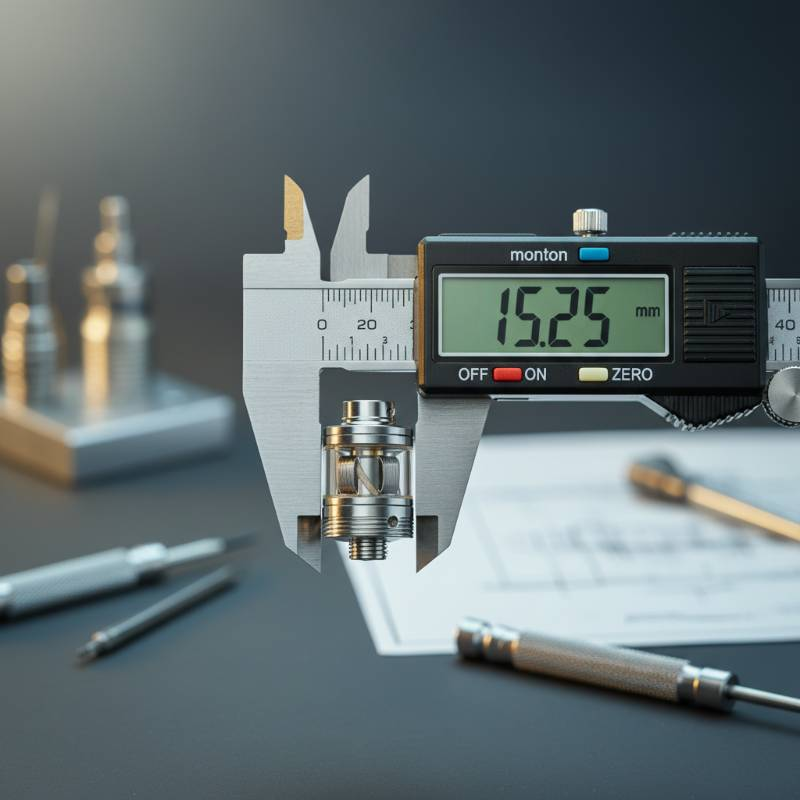
Leaking remains the number one complaint in the B2B vape sector. Our anti-leak vape tech solves this by moving away from traditional sponge-saturated systems.
We utilize oil-coil separation (OCS) technology. This keeps the e-liquid in a sealed reservoir, isolated from the heating element until the consumer activates the device. This prevents "seepage" during long-term storage or air transit.
Furthermore, our multi-layer silicone seals are reinforced via ultrasonic welding. Unlike manual glue application, ultrasonic welding creates a molecular bond between plastic parts, making the chassis virtually airtight.
Automated Precision: 100,000 Daily Negative Pressure Tests
Manual juice filling is prone to human error, leading to overfills or air bubbles. Our disposable vape factory uses high-precision machine filling with a tolerance of ±0.05ml.
To guarantee 100% leak-free shipments, we subject units to automated negative pressure testers. This simulates the pressure changes experienced during air freight.
| Feature | Manual Assembly | Automated Precision |
|---|---|---|
| Filling Accuracy | ±0.3ml | ±0.05ml |
| Leak Test Rate | Random Sampling | 100% Units Tested |
| Daily Capacity | Lower/Variable | 100,000+ Units |
Reliability Metrics: 100% Battery Pre-Checks and Aging Tests
DOA (Dead on Arrival) units destroy brand trust. To combat this, we implement a 100% battery voltage pre-check before the battery even enters the assembly line. This ensures every cell meets its rated mAh capacity.
Post-assembly, we conduct aging tests. This involves activating a percentage of the batch using automated puff simulators to monitor the PCBA (circuit board) for heat management and discharge consistency. Our goal is a defect rate guaranteed under 0.1%.
Research into lithium-ion stability confirms that pre-assembly voltage matching significantly reduces the risk of thermal runaway and early battery death.
Visual Proof of Excellence: High-Low Temperature Stress Testing
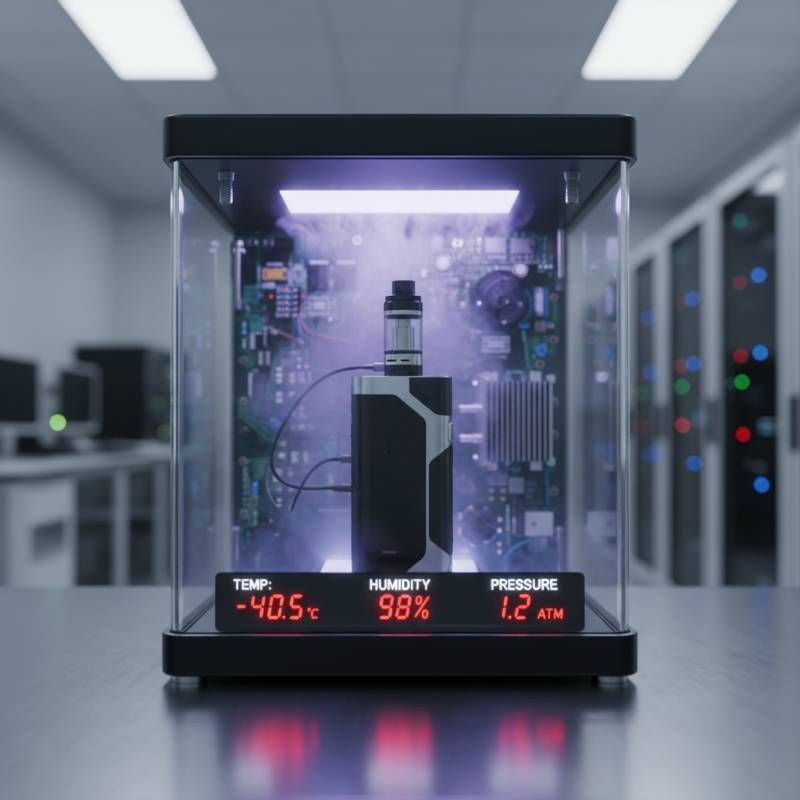
Vapes are often stored in hot warehouses or freezing delivery trucks. We subject our devices to the High-Low Temperature Test, cycling between -20°C and 60°C to ensure the plastic doesn't warp and the e-liquid viscosity remains stable.
We also perform vacuum simulations that mimic the cargo hold of an airplane at 30,000 feet. If a seal is going to fail, we want it to fail in our lab, not in your customer's hands.
Future-Proofing for 2027: EU Regulations and Biodegradable QC
Looking ahead to 2027, the EU is introducing stricter battery removal and sustainability mandates. At vapefactorypro, we are already integrating biodegradable materials QC into our lines.
New materials require new testing. We are developing proprietary emission reporting tools to help our clients comply with upcoming carbon footprint requirements. Sourcing from a factory that anticipates these shifts ensures your inventory won't become obsolete overnight.
Frequently Asked Questions About Vape Quality Control
What is the industry standard for vape defect rates?
While many factories accept a 1-2% failure rate, elite 2026 manufacturers maintain a defect rate under 0.1% through automated testing and AQL 1.0 standards.
How do you prevent disposable vapes from leaking during shipping?
We use oil-coil separation (OCS) technology and 100,000 daily negative pressure tests to simulate the vacuum environment of air freight, ensuring seals remain intact.
Does the factory provide QC reports for every batch?
Yes. A professional reliable vape supplier in China should provide comprehensive IQC, IPQC, and OQC reports with every shipment.
What happens if I receive a DOA unit?
Under our zero-defect system, any DOA rate above 0.1% triggers an immediate root-cause analysis and replacement protocol, backed by our quality guarantee.