
Defining the Chemical Architecture of Premium E-Liquids
E-liquid flavor science is the systematic application of organic chemistry and sensory physics to create stable, inhalable flavor profiles. By analyzing molecular interactions at the atomic level, chemists ensure that complex aroma compounds remain stable when subjected to rapid thermal vaporization.
"Flavor science in the vape industry is no longer about simple mixing; it is about molecular layering to achieve 'flavor persistence' across varying wattage ranges."
At VapeFactoryPro, we define premium liquids by their chemical purity. Every profile begins with high-purity Propylene Glycol (PG) and Vegetable Glycerin (VG), serving as the solvent matrix for intricate aroma chemicals.

The Physics of Vapor: PG/VG Ratios and Nicotine Delivery
The "Golden Ratio" of 70/30 VG/PG remains a standard, but 2026 trends see a shift toward custom-tuned viscosity. Higher PG levels enhance flavor carry and throat hit, while VG provides the density required for visual vapor production.
A significant breakthrough in our Synthetic Nicotine Supply chain is the elimination of tobacco-derived impurities. Synthetic nicotine offers a neutral pH, allowing the nuanced notes of delicate fruits or florals to shine without the "peppery" aftertaste common in lower-grade freebase nicotine.
| Feature | Freebase | Nicotine Salts | Synthetic Nicotine |
|---|---|---|---|
| Throat Hit | Strong | Smooth | Neutral |
| Flavor Clarity | Moderate | High | Highest |
| Purity | 99.0% | 99.5% | 99.9%+ |
The Aroma-Sync Protocol: GC-MS Flavor Fingerprinting
Consistency is the greatest challenge in Custom E-Liquid Manufacturing. To solve this, we utilize the Aroma-Sync Protocol, a proprietary validation method involving Gas Chromatography-Mass Spectrometry (GC-MS).
GC-MS allows our lab to break down any liquid into its base chemical components. This ensures that every batch produced matches the original "flavor fingerprint" exactly. This analytical rigor prevents the "flavor drift" often seen in smaller-scale production facilities.
According to research published by the Scientific Reports journal, the thermal degradation of flavorings is a critical factor in safety and taste. Our protocol monitors these degradation pathways to ensure stability even at high temperatures.
Rapid Innovation and R&D Scale
The speed of the global market requires an agile Vape Factory R&D process. Our facility maintains access to over 500 proprietary flavor formulas, ranging from traditional tobacco to complex dessert profiles.
Through the Molecular Layering Framework, we can customize and finalize new flavor profiles in just 48 hours. This efficiency allows brands to respond to viral trends or regional consumer shifts almost instantly without sacrificing quality or safety.
Safety Standards and ISO 13485
Consumer trust is built on transparency. All raw materials used in our Vape juice OEM services are sourced from the world's Top 3 flavor suppliers.
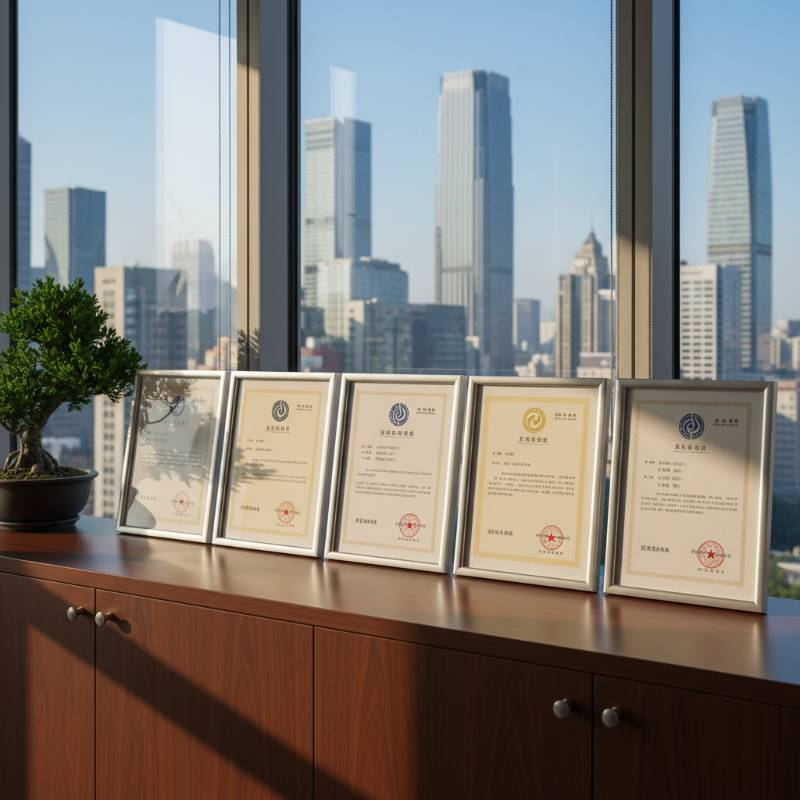
Our facility operates under ISO 13485 medical-grade certification. This means our cleanroom protocols, air filtration systems, and equipment sterilization meet the same standards as medical device manufacturing. Every batch is accompanied by a full Material Safety Data Sheet (MSDS).
The Expertise Behind the Formula
Behind every successful product is a Senior Flavorist. These professionals bridge the gap between chemical engineering and culinary art. They possess the sensory training to identify off-notes that machines might miss.
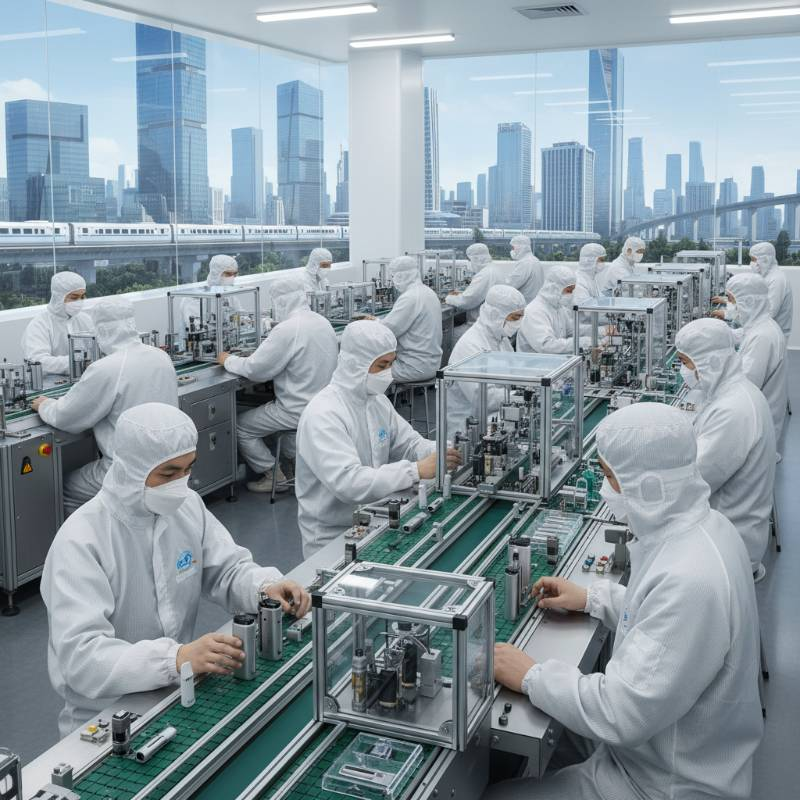
Our team holds advanced degrees in organic chemistry and food science. They work daily in our ISO 7 cleanrooms to refine the next generation of pod-system liquids and high-VG cloud formulas.
Frequently Asked Questions
How do you ensure flavor stability over time?
We use accelerated aging tests and GC-MS profiling to simulate shelf-life. This ensures that the chemical bonds between flavor molecules and the PG/VG base remain intact for at least 18-24 months.
Is synthetic nicotine better for flavor?
Yes. Synthetic nicotine is odorless and tasteless. Unlike tobacco-derived nicotine, which can have an earthy or bitter profile, synthetic options allow the intended flavor concentrates to remain pure and vibrant.
What certifications should I look for in a factory?
In 2026, the global standard is ISO 13485 for manufacturing and ISO 17025 for laboratory testing. You should also verify that the factory provides full MSDS and TPD-compliant reporting for European markets.