
The Reality of Sourcing from a Shenzhen Vape Factory in 2026
Finding a direct vape manufacturer China has become a complex tactical operation. In 2026, the Bao'an district vape hub remains the world's epicenter, but the barrier to entry for legitimate production is higher than ever.
As a 20-year expat sourcing agent living in the heart of Shenzhen, I’ve seen the industry shift from "Wild West" assembly shops to highly regulated pharmaceutical-grade facilities. The difference between a "broker" with a slick website and an authentic vape factory Shenzhen can mean the difference between market dominance and a total shipment seizure.
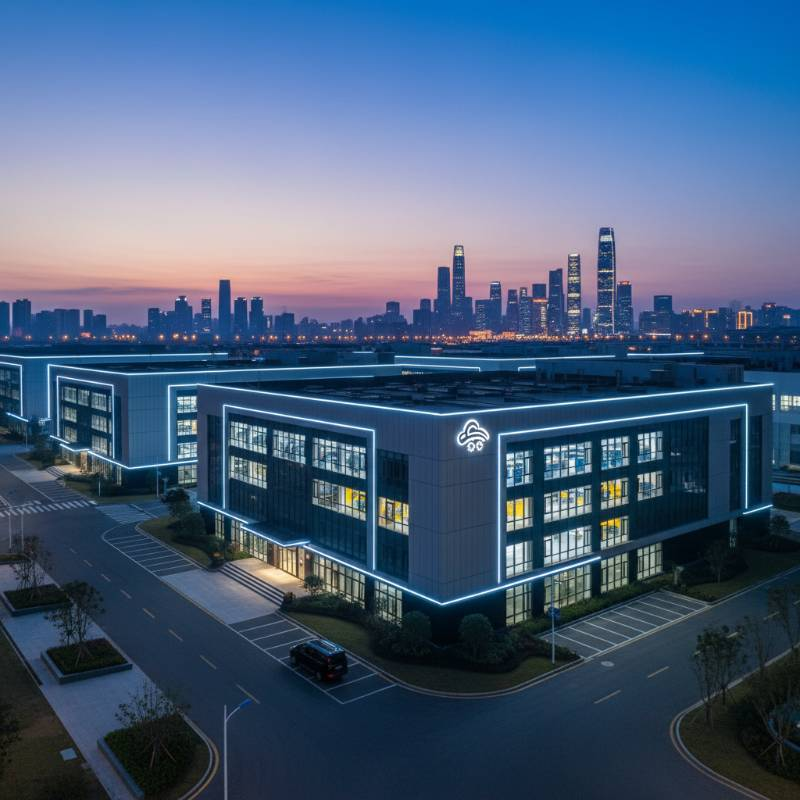
"The 2026 market doesn't forgive amateurism. If your supplier can't show you their SMT line via a live feed or a 24-hour visit notice, they aren't the manufacturer." — Supply Chain Director, VapeFactoryPro
The Alibaba Trap: Why 60% of Suppliers Are Middlemen
To verify an authentic vape factory Shenzhen, you must confirm they hold a current China State Tobacco Monopoly License, operate an in-house SMT workshop, and possess a business license explicitly listing "Manufacturing" in their scope. Reliable direct manufacturers in 2026 typically maintain a registered capital exceeding $2 million USD to ensure supply chain stability.
Industry data reveals a staggering truth: 60% of "suppliers" on major B2B platforms are actually middlemen. They operate out of small offices in Nanshan, masquerading as factories while tacking on a 15-25% margin to your costs.
To filter these out, we use local intelligence tools like Tianyancha or Qichacha. Look specifically at the "Registered Capital." If the entity has less than $2 Million USD (approx. 14 million RMB), they likely lack the heavy machinery required for high-volume OEM/ODM services. A true factory invests in infrastructure, not just SEO.
The V-4 Integrity Protocol: Our Proprietary Sourcing Framework
At VapeFactoryPro, we utilize the V-4 Integrity Protocol to vet every partner. This isn't just a checklist; it's a defensive strategy for your brand.
1. Verification: Cross-referencing the Unified Social Credit Code against the State Tobacco Monopoly Administration database.
2. Validation: Requesting recent Bill of Lading (BOL) records to confirm active export history to your specific target market (US, UK, or EU).
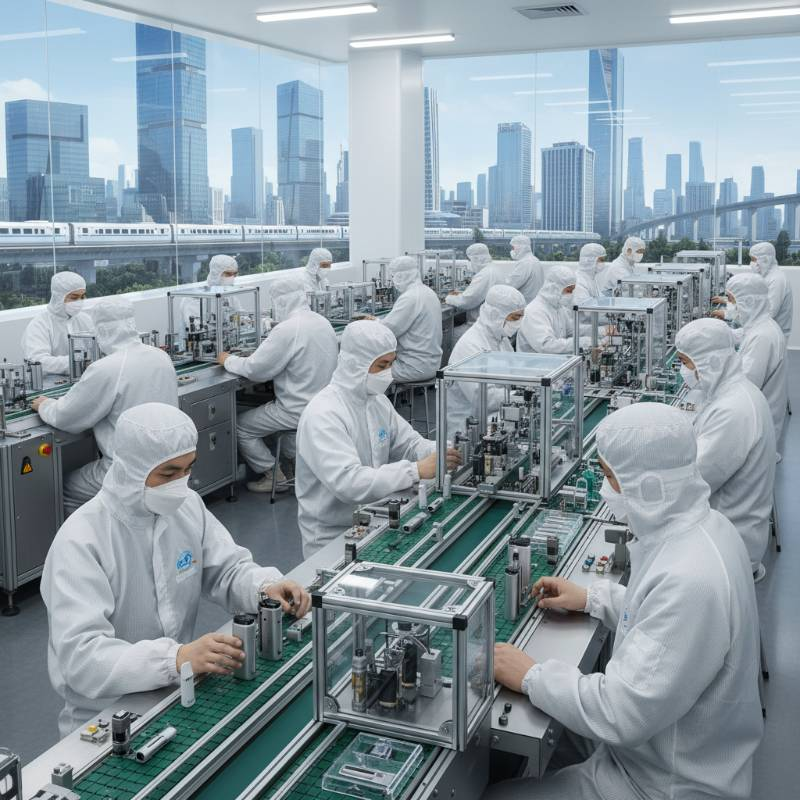
3. Visit: Physical inspection of the SMT workshop and cleanroom standards (ISO Class 7 or 8).
4. Value-Check: Auditing the bill of materials (BOM) to ensure battery cells and chipsets are authentic, not Grade-B scrap.
By implementing Quality Control Protocols early, you prevent the "sample-to-production" quality slide that plagues the industry.
Technical Verification: Licenses, BOLs, and SMT Workshops
When you audit vape supplier candidates, you must look past the showroom. A real factory is messy where it counts: the production line.
The Business License Scope
Ask for the original Chinese business license. Look for the "Business Scope" . It must include the words "Production" or "Manufacturing". If it only says "Sales" or "Wholesale," you are talking to a trading company.
The SMT Workshop: The Heart of the Factory
Surface Mount Technology (SMT) is where the PCBA (the "brain" of the vape) is made. Many factories outsource this, which destroys your supply chain transparency. A top-tier Shenzhen vape factory owns its SMT lines to control firmware quality and prevent "ghost" malfunctions in the field.
The White-List Standard: Tobacco Monopoly Production Licenses
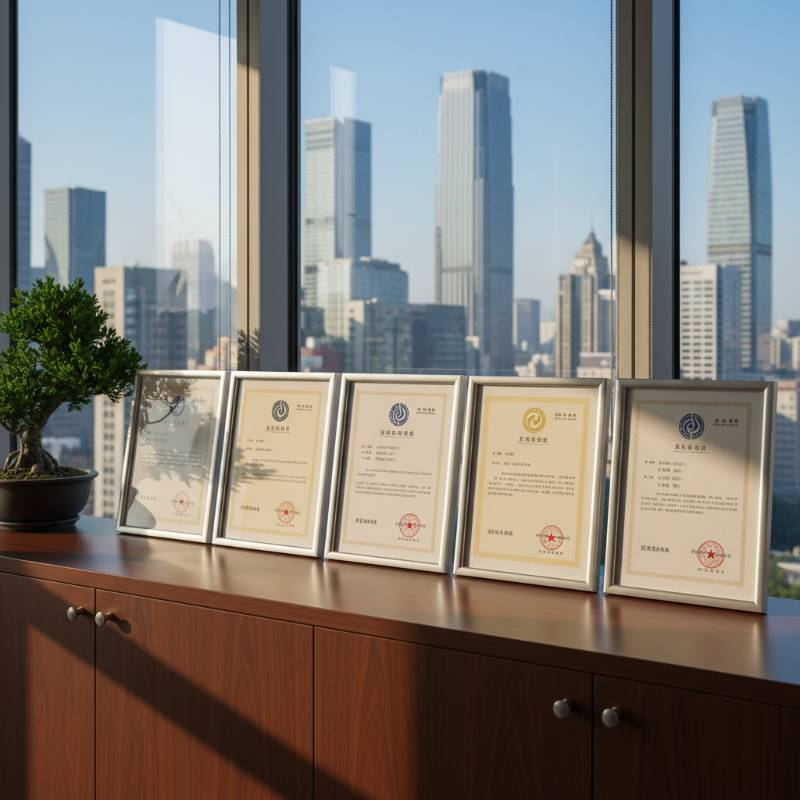
Since the regulatory shifts leading into 2026, the Tobacco Monopoly Production Enterprise License is the only "hard" trust signal. This license, issued by the China State Tobacco Monopoly Administration, proves the factory is a "White-List" entity.
Operating without this license is illegal in China. If your supplier is raided because they lack this permit, your inventory—and your deposit—disappear overnight. We only partner with holders of this license to ensure 100% legal manufacturing lead times and export stability.
Explore our Vape OEM/ODM Services to see how we leverage these licensed partnerships.
Navigating 2026 Global Compliance: PMTA, TPD, and Beyond
Compliance isn't a one-time certificate; it's a continuous Manufacturing Ethics requirement. In 2026, the standards are granular:
| Market | Key Requirement | Factory Certification |
|---|---|---|
| USA | PMTA & FDA Filing | ISO 13485 (Med-Grade) |
| EU/UK | TPD & MHRA Notification | ISO 9001 & CE |
| Global | Sustainability Scorecard | UL 8139 (Battery Safety) |
Check our Global Compliance Guide for the latest updates on biodegradable hardware materials and TPD compliance.
Frequently Asked Questions About Shenzhen Vape Sourcing
What is the standard MOQ for a direct factory?
For custom OEM/ODM services, expect a minimum order quantity (MOQ) of 5,000 to 10,000 units per SKU. Smaller quantities usually indicate you are dealing with a distributor or a factory using "open-mold" generic parts.
How do I protect my Intellectual Property (IP) in China?
Always sign a bilingual NNN (Non-Disclosure, Non-Circumvention, Non-Competition) agreement before sharing designs. Ensure it is governed by Chinese law to be enforceable in local courts.
Can I track my production in real-time?
Modern factories in 2026 provide ERP access or weekly video factory inspection reports. If a supplier refuses to provide material traceability data, they are likely cutting corners on component quality.
Ready to Secure Your Supply Chain?
Don't gamble with unverified "manufacturers." Partner with a licensed, audited, and transparent Shenzhen leader.
Get a Factory Audit Quote Today