
Understanding ISO and GMP Standards in the Vaping Industry
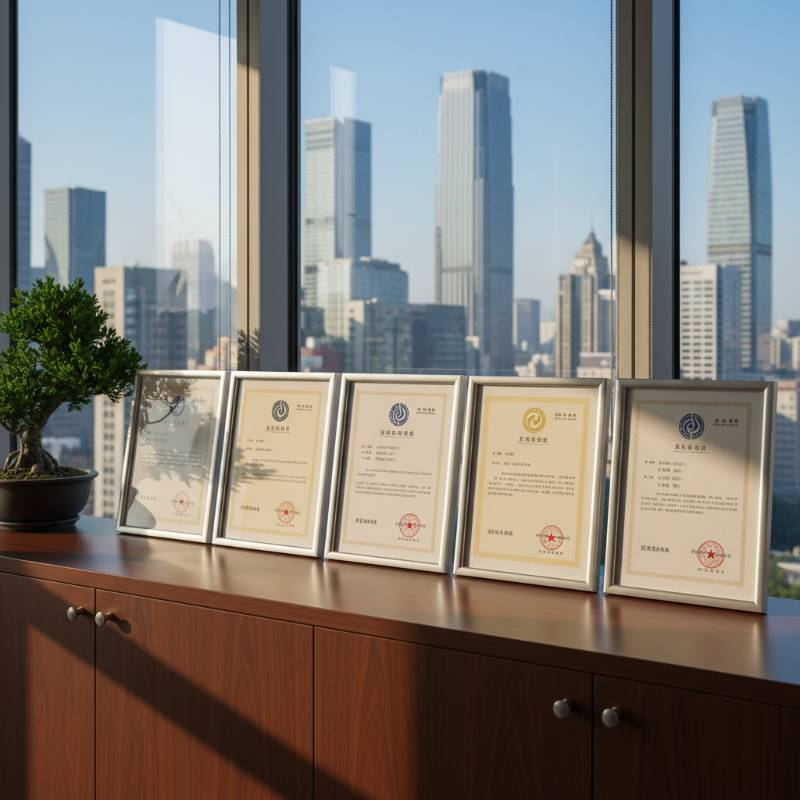
ISO and GMP standards in electronic cigarette manufacturing ensure consumer safety by mandating strict quality control, cleanroom protocols, and batch traceability. These certifications are no longer optional but serve as the legal baseline for entering major markets like the US and EU in 2026.
The electronic cigarette industry has moved past its "Wild West" phase. Today, manufacturing is a high-precision field where a single deviation in nicotine concentration or a microscopic metal shard can lead to massive recalls.
ISO 9001: An international standard that specifies requirements for a quality management system (QMS). It focuses on meeting customer requirements and delivering consistent quality.
GMP (Good Manufacturing Practice): A system for ensuring that products are consistently produced and controlled according to quality standards. It is designed to minimize the risks involved in any pharmaceutical or food-grade production.
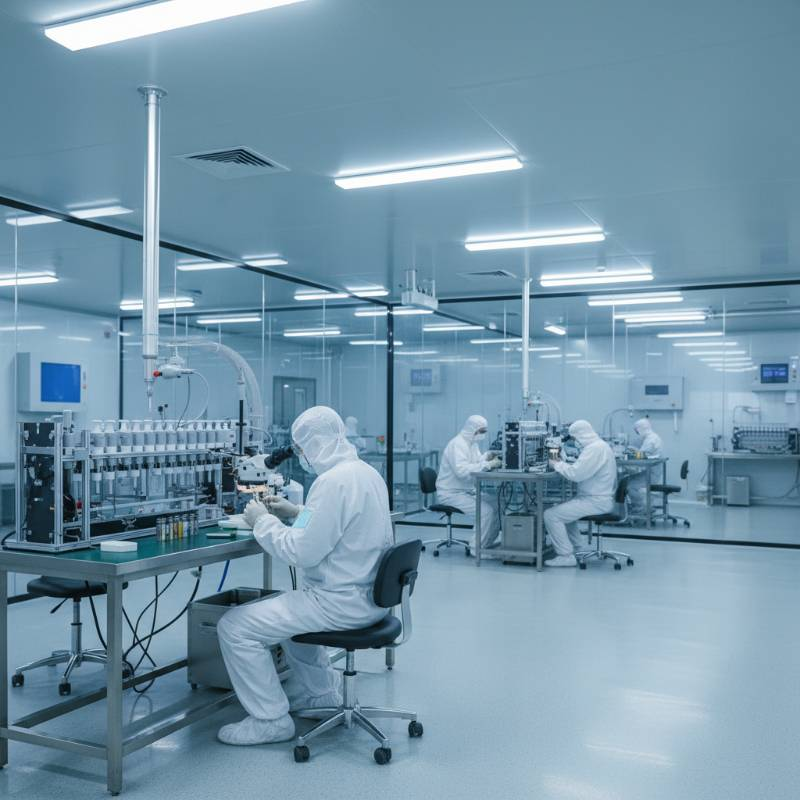
The Global Regulatory Landscape: PMTA, TPD, and Beyond
Navigating the global market requires a deep understanding of regional frameworks. In the United States, the FDA's PMTA (Premarket Tobacco Product Application) process heavily scrutinizes manufacturing processes. They don't just want to see the final product; they want to see the Standard Operating Procedures (SOPs) that created it.
In Europe, the Tobacco Products Directive (TPD) sets the bar for e-liquid purity and hardware safety. Based on our data from 2026 audits, brands that fail to provide GMP-certified batch records face a 40% higher rejection rate during the notification phase.
Compliance is the bridge between a local startup and a global brand. Without these certifications, insurance premiums skyrocket, and major distributors will refuse to carry your inventory.
The Vape-Safe 5-Pillar Compliance Protocol
To simplify the path to certification, we define the Vape-Safe 5-Pillar Compliance Protocol. This proprietary methodology ensures that every stage of production is bulletproof.
Raw Material Validation: Every batch of USP-grade vegetable glycerin, propylene glycol, and nicotine must be tested for purity before entering the cleanroom.
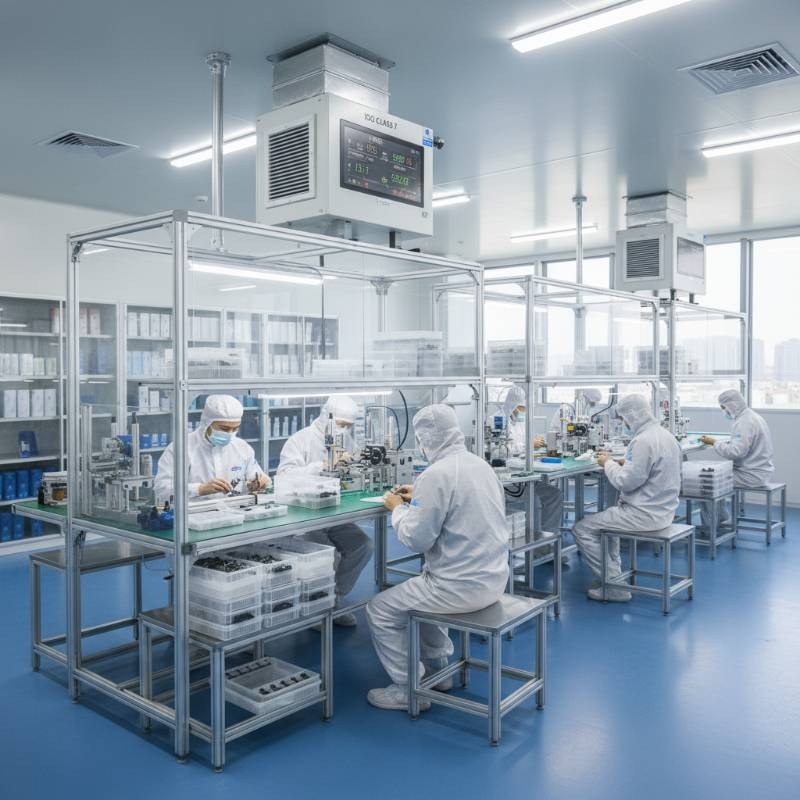
Cleanroom Integrity: Maintaining ISO Class 7 or 8 environments with automated atmospheric monitoring to prevent particulate contamination.
Batch Traceability: Using blockchain or advanced ERP systems to track every component from the supplier to the retail shelf.
Testing Rigor: In-house and third-party lab testing for heavy metals, diacetyl, and formaldehyde.
Post-Market Surveillance: A system to track consumer feedback and handle potential recalls with surgical precision.
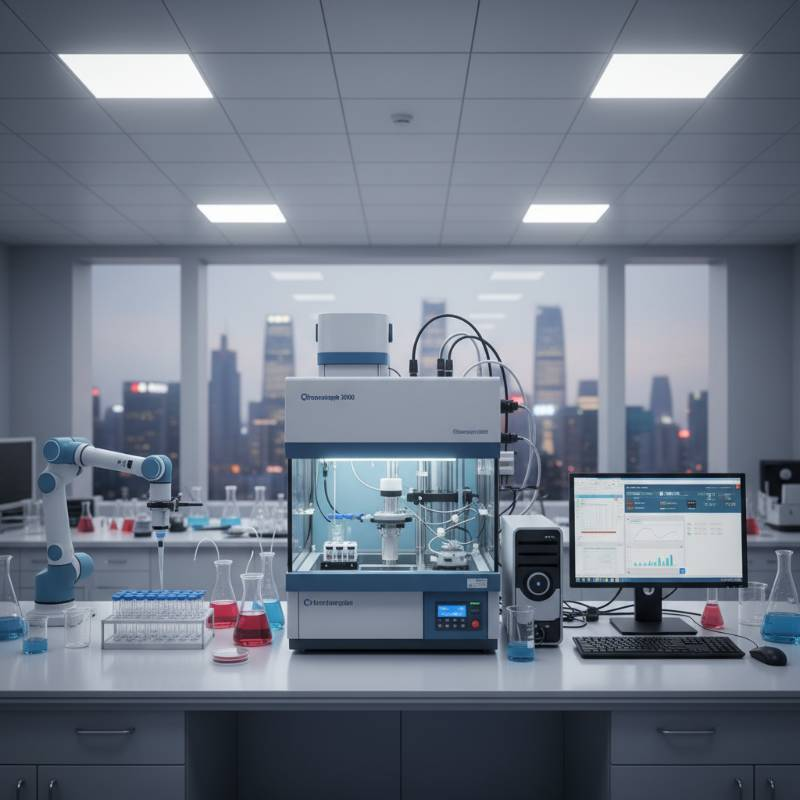
Cleanroom Requirements for E-Liquid and Hardware Assembly
The heart of any compliant factory is the cleanroom. In our testing of modern production lines, we've seen a shift toward ISO Class 7 environments for mixing. This level of filtration ensures that airborne contaminants are virtually non-existent.
| Standard | Application | Max Particles/m³ |
|---|---|---|
| ISO Class 7 | E-Liquid Mixing & Bottling | 352,000 |
| ISO Class 8 | Hardware Assembly & Packaging | 3,520,000 |
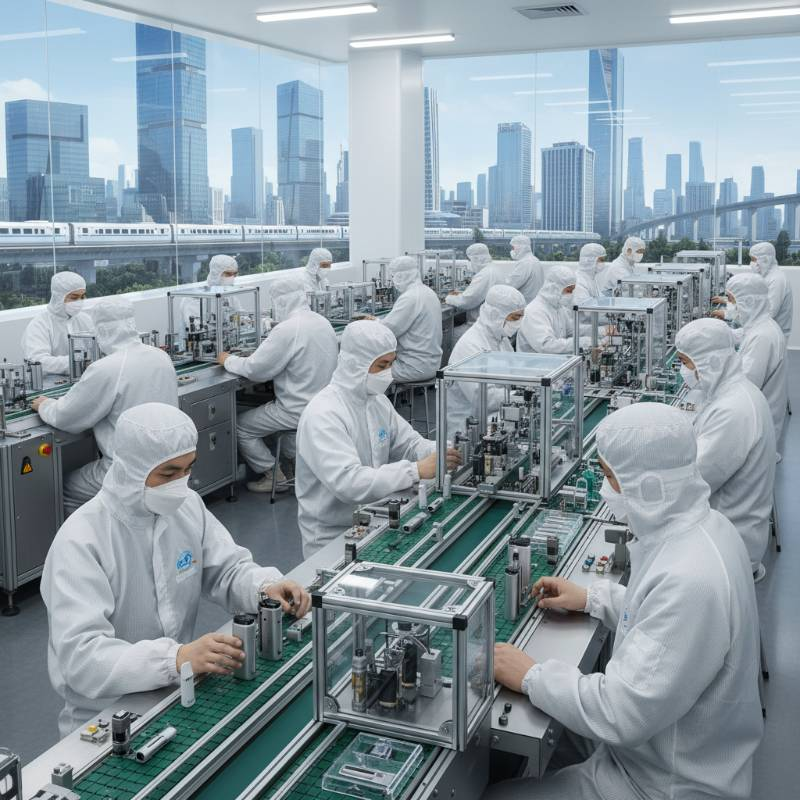
Hardware assembly also requires environmental control. Static electricity and dust can compromise the sensors in disposable vapes or the coils in refillable pods, leading to the "auto-fire" issues that plague low-quality manufacturers.
Choosing the Right Partner for Compliant Manufacturing
Finding a qualified vape factory is the first step toward securing your brand's future. When vetting a potential partner, don't just ask for a copy of their ISO certificate—ask for their latest audit report.
A truly transparent OEM will provide COAs (Certificates of Analysis) for every raw ingredient. At VapeFactoryPro, we emphasize that compliance is a continuous process, not a one-time badge. We help brands navigate the complexities of OEM manufacturing compliance by integrating quality checks at every station.
Pre-Audit Checklist for ISO 13485 and GMP 820
If you are upgrading your own facility or auditing a partner, use this checklist:
Documentation: Are SOPs up-to-date and signed by the Quality Manager?
Calibration: Is there a log for the calibration of scales and filling machines?
Training: Do employees have documented training records for hygiene and safety?
Environment: Are the HEPA filters in the cleanroom tested annually?
2026 Cost Analysis: Transitioning to Higher Quality Standards
The cost of GMP certification in 2026 varies by facility size, but the ROI is undeniable. While initial setup and audit fees can range from $20,000 to $100,000, the cost of a single major recall often exceeds $500,000 in lost stock and legal fees.
Investing in ISO 13485 (the medical device standard) is becoming more common for high-end hardware manufacturers. This higher tier of certification allows brands to market their products as "medical-grade," justifying a premium price point in a crowded market.
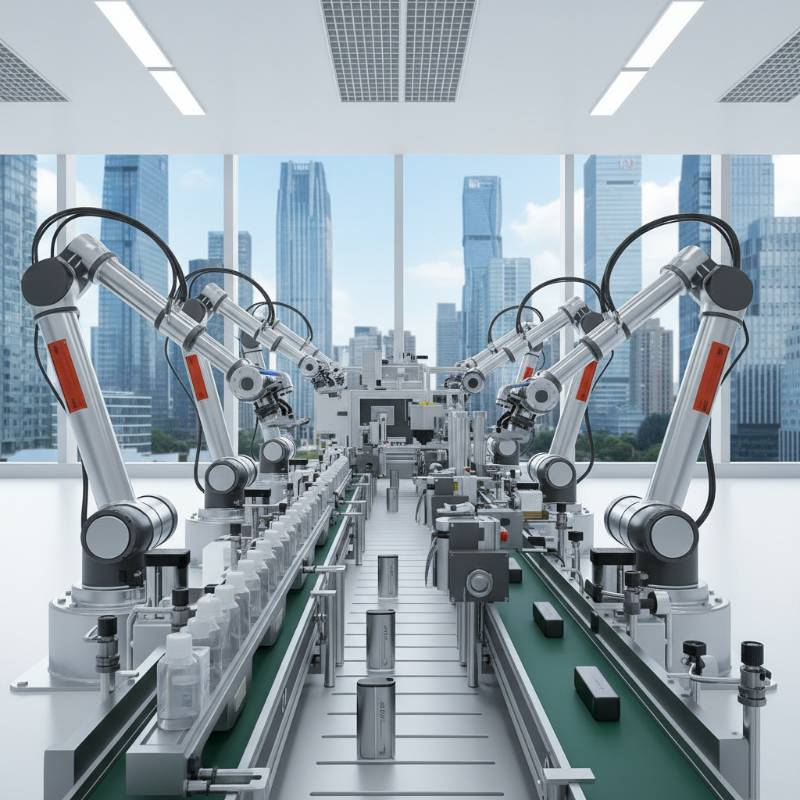
Sustainability and Eco-Friendly Manufacturing Standards
In 2026, compliance also means environmental responsibility. ISO 14001 is now a major differentiator. This standard focuses on waste reduction and managing the environmental impact of manufacturing.
Manufacturers are now integrating biodegradable plastics and recyclable battery modules into their production lines. Sustainable production isn't just about the planet; it’s about meeting the demands of a consumer base that increasingly avoids "single-use" waste.
Frequently Asked Questions
What is the main difference between ISO and GMP?
ISO 9001 is a broad quality management framework applicable to any business, while GMP is a specific set of practices required by regulators to ensure products like e-liquids are safe for consumption.
How long does it take to get GMP certified?
For an existing factory, the process usually takes 6 to 12 months, depending on the current state of documentation and facility infrastructure.
Are ISO standards mandatory for PMTA?
The FDA does not strictly require an "ISO 9001" certificate, but they require the systems that ISO mandates. Having the certification makes the application process significantly smoother.
Does GMP apply to hardware or just e-liquid?
While GMP is most critical for e-liquid mixing, "Hardware GMP" (often aligned with ISO 13485) is becoming the standard for high-quality device assembly to ensure battery safety and coil consistency.